
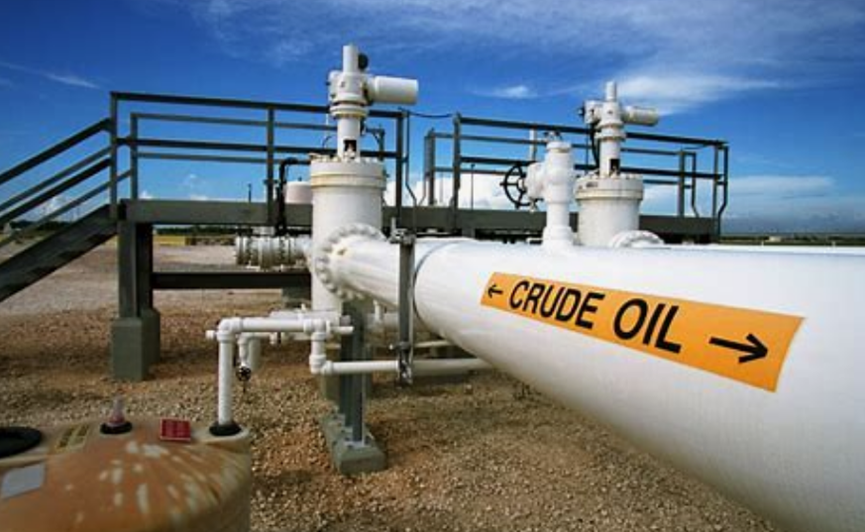
In the intricate dance of global commodities, Brent crude oil stands as a central figure, its movements dictating the rhythm of international trade and economic forecasts. The Brent crude oil market is a complex web of supply, demand, geopolitics, and technological advancements, all converging to create the live, real-time price fluctuations that captivate traders and analysts worldwide. This article delves into the dynamics of Brent crude oil, exploring the factors that influence its price and the mechanisms through which these fluctuations are observed in real-time.
Geopolitical Influences on Brent Crude Oil Live
The geopolitical landscape is a critical factor in understanding the price movements of Brent crude oil. Conflicts, political instability, and trade policies in oil-producing regions can significantly impact the market. For instance, tensions in the Middle East, which is home to some of the world’s largest oil reserves, can cause supply disruptions and send Brent crude oil prices soaring. Additionally, international sanctions, such as those imposed on Iran and Venezuela, can reduce the global supply of crude oil, thereby affecting Brent crude oil live prices.
Supply and Demand Dynamics
At the heart of Brent crude oil’s price fluctuations lie the fundamental economic principles of supply and demand. An increase in global demand for oil, driven by economic growth in emerging markets, can lead to higher prices for Brent crude oil. Conversely, a decrease in demand due to economic slowdowns or shifts towards renewable energy sources can result in lower prices. The balance between these two forces is constantly shifting, and keeping a finger on the pulse of global economic trends is essential for understanding Brent crude oil live.
The Role of Speculation
Speculation plays a significant role in the price of Brent crude oil (In Taiwan, it is called “布蘭特原油“). Traders and investors often make bets on future price movements based on market analysis and predictions. This speculative activity can amplify price swings, as large buy or sell orders can influence the market sentiment and lead to rapid changes in Brent crude oil live prices. Understanding the psychology of the market and the motivations behind speculative trading is crucial for anyone looking to navigate the Brent crude oil market.
Technological Advancements and Extraction Costs
Technological advancements in the oil industry can lead to more efficient extraction methods, which in turn can affect the cost of production and, by extension, the price of Brent crude oil. For example, the development of hydraulic fracturing (fracking) has allowed for the extraction of previously inaccessible oil reserves, increasing the global supply and potentially lowering prices. However, technological setbacks or increased extraction costs due to environmental regulations can also influence the market, causing Brent crude oil live prices to rise.
Environmental Regulations and the Shift to Renewables
Environmental regulations and the global push towards renewable energy sources are also significant factors in Brent crude oil price fluctuations (In Taiwan, it is called “布蘭特原油即時“). As countries implement stricter emissions standards and invest in renewable energy, the demand for oil may decrease, affecting Brent crude oil live prices. Additionally, the development of electric vehicles and other clean technologies can reduce the reliance on oil, further impacting the market.
Economic Indicators and Market Sentiment
Economic indicators, such as GDP growth rates, inflation, and employment figures, can provide insights into the health of the global economy and, by extension, the demand for oil. Positive economic indicators can signal increased demand for oil, leading to higher Brent crude oil live prices, while negative indicators can suggest a decrease in demand and lower prices. Market sentiment, influenced by these indicators and other news events, plays a significant role in shaping the Brent crude oil market.
The Impact of Currency Fluctuations
The value of Brent crude oil is often denominated in US dollars, making currency fluctuations a key factor in its price movements. A stronger US dollar can make oil more expensive for countries using other currencies, potentially reducing demand and affecting Brent crude oil live prices. Conversely, a weaker US dollar can make oil more affordable, potentially increasing demand and driving up prices.
Conclusion
Understanding the real-time price fluctuations of Brent crude oil requires a multifaceted approach, taking into account geopolitical events, supply and demand dynamics, speculation, technological advancements, environmental regulations, economic indicators, and currency fluctuations. By staying informed on these various factors, market participants can better anticipate and respond to changes in Brent crude oil live prices, navigating the complex and ever-evolving world of global commodities.






