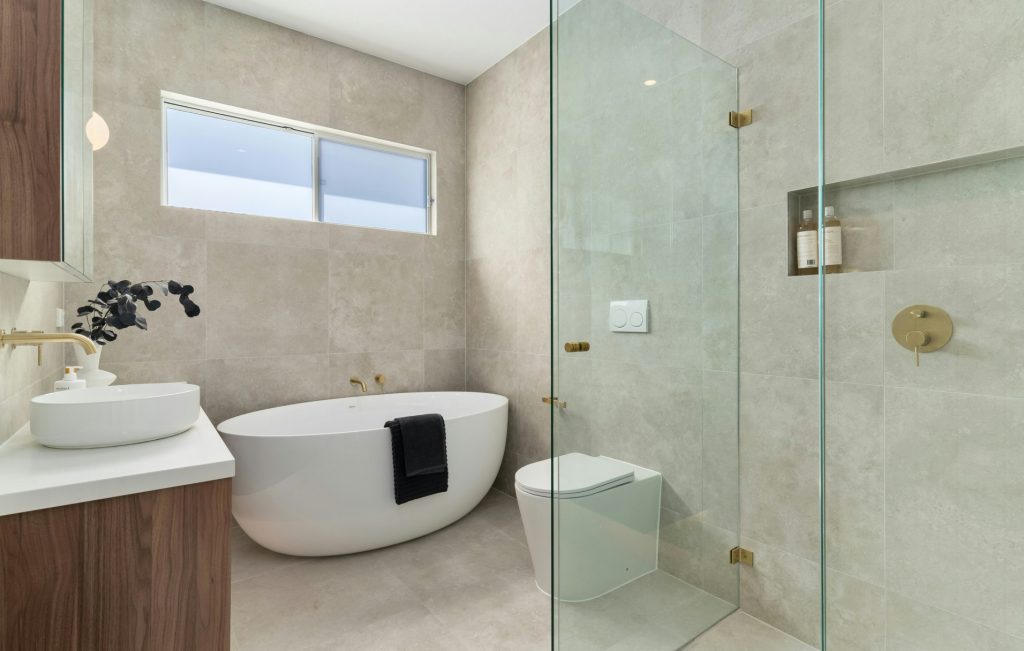
Choosing the right Accessible Bathtub Installation is one of the most impactful decisions homeowners can make when prioritizing comfort, independence, and long-term safety. Whether you’re planning for aging in place, accommodating mobility needs, or simply enhancing everyday convenience, accessible bathtubs offer thoughtful features that transform the bathing experience. These upgrades support confidence, reduce fall risks, and create a more inclusive environment for every member of the household.
Here are the top considerations and smart design choices when planning an accessible bathtub installation.
- Choose the Right Bathtub Style for Your Needs
Walk-in tubs are the most common accessible option, featuring low-entry thresholds, easy-open doors, and built-in seating. Some models offer inward-opening doors for compact bathrooms, while outward-opening doors provide more spacious entry. Deep soaking walk-in tubs deliver therapeutic comfort, while compact versions fit smaller spaces without sacrificing accessibility. - Focus on Slip-Resistant Flooring and Interior Textures
Safety begins with proper flooring. Accessible tubs include slip-resistant surfaces designed to reduce the chance of slipping when entering or exiting. Textured interiors also help provide stable footing and added comfort while seated or standing. This feature is especially important in homes with toddlers or older adults. - Look for Built-In Seating and Ergonomic Support
Integrated seating allows users to bathe comfortably without lowering themselves to the floor of the tub. Seats are often contoured for ergonomic support, making long soaks more enjoyable. Some installations include removable or fold-down seats for added flexibility. - Consider Therapeutic and Comfort Features
Many accessible tubs can be upgraded with hydrotherapy jets, warm-air systems, chromotherapy lighting, or fast-drain technologies. Hydrotherapy jets help soothe sore joints and muscles—an excellent option for individuals with arthritis or limited mobility. Built-in heaters maintain water temperature during extended baths. - Pay Attention to Faucet Controls and Reachability
The placement of faucet controls should be easy to reach from a seated position. Lever-style handles offer smoother operation for those with limited hand strength or dexterity. Handheld showerheads provide added convenience for rinsing and cleaning without needing to stand. - Evaluate Bathroom Layout for Accessibility
Before installation, ensure there is adequate space for door clearance, transfer access, and mobility aids. Contractors may adjust nearby fixtures, widen pathways, or reposition vanities to improve movement. A thoughtful layout enhances long-term usability and prevents potential hazards. - Waterproofing and Safety Standards Matter
Accessible tubs require reliable waterproofing around the door seal to prevent leaks. High-quality models use reinforced hinges, compression seals, and tested locking systems. A professional installer ensures seals are perfectly aligned and explains proper maintenance to preserve their integrity. - Immediate Drainage and Fill Times Affect Daily Convenience
Fast-fill and quick-drain technology make a big difference in comfort. Instead of waiting several minutes for the tub to fill while seated, newer systems work efficiently to minimize wait times. This is a key feature to discuss with your installer when comparing models. - Work With Experienced Professionals
As you begin comparing providers, you may explore Accessible Bathtub Installation Contractors to review expertise, customer ratings, and installation methods. Experienced contractors understand the specific needs of accessibility remodeling, from structural reinforcement to plumbing adjustments. Their guidance ensures a safe and code-compliant installation. - Review Local Contractor Listings Before Making a Final Decision
Checking listings from California entrepreneurs helps you evaluate contractors with proven reliability, accessibility experience, and strong customer feedback. Comparing several providers ensures you select a contractor who can meet both safety and design expectations. - Prepare for Installation Day
Installation typically involves removing the existing tub, evaluating plumbing, ensuring proper floor support, and fitting the accessible tub securely into place. Contractors also integrate seals, electrical systems (if therapeutic features are included), and trim finishes. Many installations can be completed within a day or two. - Understand Long-Term Care Requirements
Maintaining an accessible tub is straightforward. Regularly cleaning the seals, using gentle cleaners, and running the jets periodically (if installed) help extend the tub’s lifespan. Your installer may also offer recommended maintenance schedules or care products. - Enhance the Space With Additional Safety Features
Grab bars, non-slip flooring, overhead lighting, and low-maintenance wall surrounds further improve safety and comfort. These additions make your bathroom easier to navigate while enhancing the room’s overall appearance.
Accessible bathtub installations bring convenience, safety, and independence to everyday living. With thoughtful planning, quality materials, and a trusted installer, you can create a bathing space that supports long-term comfort for you or your loved ones.
If you’re ready to begin your accessibility upgrade, start by identifying your needs, gathering inspiration, and consulting trusted installers who can bring your project to life with care and precision.