
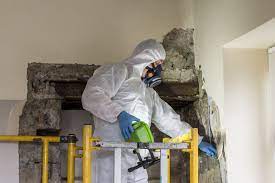
Renovation and demolition projects often involve disturbing the structure of a building, which can unknowingly release hazardous materials into the environment. Among these risks, asbestos stands out as one of the most dangerous. Widely used in construction materials until the late 1990s, asbestos remains hidden in many older properties. Before beginning any renovation or demolition work, conducting an asbestos survey is essential to ensure safety, legal compliance, and environmental protection.
Purpose of a Pre-Renovation or Demolition Asbestos Survey
A pre-renovation or demolition asbestos survey is specifically designed to locate and identify asbestos-containing materials (ACMs) that could be disturbed during construction work. This type of survey is more invasive than standard inspections because it requires accessing areas behind walls, under floors, above ceilings, and within structural components.
The goal is to assess whether any ACMs are present, determine their condition, and provide clear guidance on how they should be managed or removed. The survey helps prevent accidental release of asbestos fibers into the air, which can pose serious health risks to workers, occupants, and the surrounding community.
Legal and Safety Requirements
In many regions, laws and regulations mandate an asbestos survey before any building work that could disturb the fabric of the structure. Property owners, contractors, or duty holders must ensure that a survey is carried out by qualified professionals before renovation or demolition begins. Failure to comply can lead to work delays, legal penalties, and increased health risks.
The results of the survey must be shared with all parties involved in the project. This includes builders, engineers, demolition crews, and safety officers. If ACMs are found, a licensed asbestos removal team must handle the material following strict guidelines to prevent contamination.
Common Asbestos-Containing Materials in Older Buildings
Older buildings may contain asbestos in a variety of construction materials. Common locations include insulation on pipes and boilers, floor tiles, ceiling panels, roofing sheets, textured wall coatings, and partition boards. During renovation or demolition, these materials can break apart easily, releasing microscopic asbestos fibers into the air.
These fibers are not visible to the naked eye and can linger in the air for hours. Inhaling them can lead to life-threatening diseases, including mesothelioma, asbestosis, and lung cancer. Because the health effects are delayed, often by decades, early identification and proper handling of asbestos are critical.
Benefits of a Thorough Asbestos Survey
Conducting an asbestos survey before starting a renovation or demolition project provides several key advantages. It ensures the safety of all workers and prevents unnecessary exposure to hazardous materials. It also allows for accurate planning and budgeting, as asbestos removal may need to be scheduled before any other work begins.
In addition, having a certified asbestos survey helps avoid project delays, fines, and legal issues. It demonstrates due diligence and responsibility, especially in commercial or public building projects where compliance is strictly monitored.
Conclusion
Before any renovation or demolition project, a comprehensive asbestos survey is not just a safety precaution—it is a legal and ethical responsibility. Identifying asbestos-containing materials in advance allows for safe removal, protects health, and ensures that construction work proceeds smoothly and within regulatory guidelines. A professional asbestos survey is the first step in creating a safe working environment and preventing long-term health risks.






